


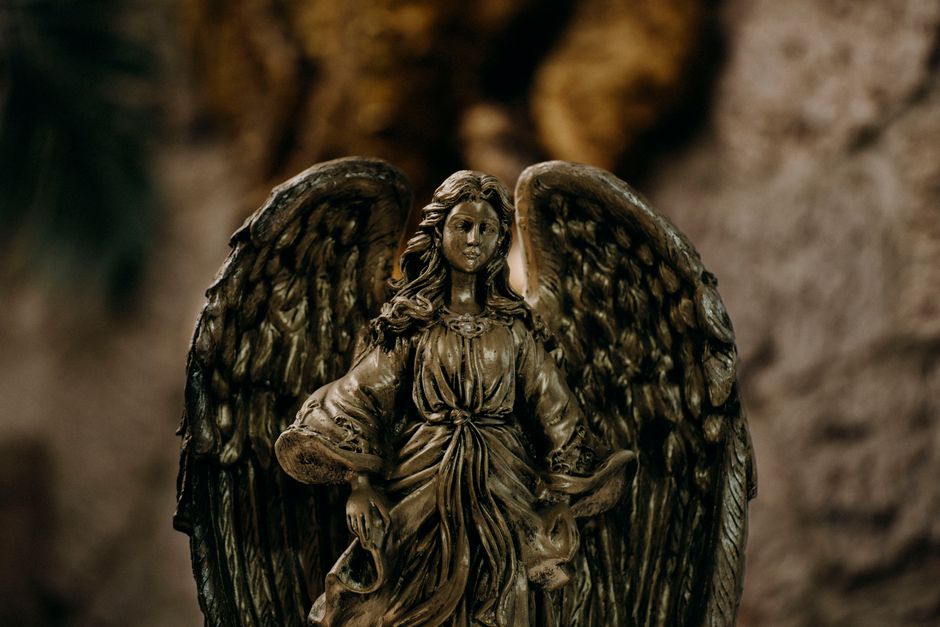
The War in Heaven is one of the most striking episodes in traditional Christian cosmology. It appears in the Book of Revelation as a mythic conflict between supernatural forces, with Michael the Archangel leading the heavenly armies against the dragon identified as Satan. For readers drawn to stories of cosmic struggle between good and evil, the imagery is unforgettable: a battle within heaven itself, angels fighting angels, and the eventual casting out of the rebel host. This article explores what the Bible says about the War in Heaven, how Revelation 12 describes the conflict, and why the story continues to fascinate believers, scholars and readers of paranormal fiction alike.
What Is the War in Heaven?
The War in Heaven is a mythic conflict between supernatural forces described in traditional Christian teaching. The most direct biblical account is found in the Book of Revelation, where the apostle John records a vision of war breaking out in the heavenly realm. The term itself has come to represent the original rebellion of Satan and his angels against the established order of heaven, and their subsequent defeat and expulsion.
Although the phrase “War in Heaven” is most often associated with Revelation, the idea of an angelic rebellion has been discussed by theologians for centuries. Some traditions view it as a literal event that took place before the creation of humanity, while others read it as symbolic prophecy about the ultimate triumph of good over evil. Either way, the central elements remain the same: a dragon, his angels, Michael and the faithful angels, and a battle that ends with the dragon being cast down.
The Biblical Account in Revelation 12
The key passage is Revelation 12:7-9. The Bible tells us that “there was war in heaven: Michael and his angels fought against the dragon; and the dragon fought and his angels, and prevailed not.” This brief but dramatic description is the foundation of the entire War in Heaven tradition.
The wider passage, Revelation 12:7-12, describes what many commentators call the last great angelic battle and Satan’s ultimate expulsion from heaven. John sees a great war between Michael and the dragon, with the dragon’s forces ultimately defeated. The serpent, described in scripture as the deceiver of the whole world, is cast out of heaven along with his angels. The passage then declares that salvation, strength and the kingdom of God have come, because the accuser of the brethren has been thrown down.
It is significant that the battle is described as occurring in heaven itself. This raises an obvious question for many readers: how can there be war in a place of perfect peace? The biblical text presents the conflict as a matter between the angels rather than an assault on God’s own authority. The dragon fights against Michael and the heavenly host, not against God directly, and the outcome is decided by the faithfulness of the angels who stand with Michael.

Michael the Archangel and the Dragon
Michael is the central figure on the side of the heavenly forces. In Revelation 12, he is described as leading his angels into battle against the dragon. The dragon is identified elsewhere in scripture as Satan, the ancient serpent, and the text makes clear that his angels fought alongside him in the rebellion.
The name Michael is often associated with protection and spiritual warfare in Christian tradition. In the War in Heaven narrative, he appears as the commander of the loyal angels, the one who stands against the dragon’s attempt to seize power. The biblical account does not describe the battle in great detail, but it is clear that Michael and his angels prevailed and that the dragon’s forces were defeated.
For readers familiar with apocalyptic literature, the image of Michael confronting the dragon is among the most powerful in the Bible. It represents the moment when rebellion is confronted, evil is overthrown, and the heavenly order is restored.
Why Would There Be a War in Heaven?
The idea of conflict in heaven is difficult to reconcile with the belief that heaven is a place of peace and tranquility. However, the biblical narrative suggests that the peace of heaven was disrupted by the rebellion of Satan and his angels. The war was not fought between God and Satan in the sense of two equal powers; it was a matter between the angels, with Michael leading those who remained loyal against those who had fallen.
Theologians have long debated Satan’s motives. One of the most common conclusions is that Satan’s desire was to eliminate what the Religious Studies Center at Brigham Young University describes as the “unfettered power of choice” by forcing mankind to “be good.” Rather than allowing human beings to choose righteousness freely, the rebel forces sought to compel obedience. This interpretation links the War in Heaven to the broader biblical theme of free will, temptation and the fall of humanity.
Another strand of thought holds that Satan rebelled out of pride, refusing to accept the authority of God and seeking to exalt himself above the heavenly order. While the Bible does not provide a detailed account of the rebellion’s causes, the Book of Revelation presents the outcome clearly: the dragon and his angels fought, they did not prevail, and they were cast out of heaven.
Satan Cast Out of Heaven
The result of the War in Heaven is the expulsion of Satan and his angels. Revelation 12:8 says that the dragon “prevailed not,” and the following verses describe his defeat and removal from the heavenly realm. This is not portrayed as a temporary setback but as a definitive act of judgment.
The casting out of Satan is sometimes described in Christian teaching as the moment when the accuser lost his place in heaven. The text emphasises that the accuser of the brethren, who accused them before God day and night, was cast down. This detail gives the passage its emotional weight: the War in Heaven is not only a military conflict but also a cosmic drama, with the accuser finally silenced.
Revelation 12:7-12 is therefore central to any discussion of the War in Heaven. It describes the last great angelic battle, Satan’s ultimate expulsion, and the rejoicing of heaven at his defeat. It also points forward to the continuing conflict on earth, where the dragon, now filled with wrath, turns his attention to humanity.


The War in Heaven Beyond the Bible
The phrase “War in Heaven” has taken on a life of its own beyond biblical scholarship. In the Warhammer 40k universe, for example, the term refers to a fictional ancient and devastating conflict fought between the humanoid Necrontyr and other cosmic powers, known among the Necrons as the War of Aeons. This use of the name shows how deeply the biblical imagery has penetrated popular culture, where it is borrowed to describe any conflict of immense, cosmic scale.
For readers of paranormal and supernatural fiction, the War in Heaven offers a rich source of inspiration. The themes of rebellion, fallen angels, cosmic battle and the casting out of evil resonate through countless stories about demons, hauntings and the struggle between darkness and light. The biblical account provides a mythological framework that continues to shape how we imagine the unseen world.
Frequently Asked Questions
What does the Bible say about the War in Heaven?
The Bible’s most direct account is found in Revelation 12:7-9. It describes war breaking out in heaven, with Michael and his angels fighting against the dragon and his angels. The dragon and his forces did not prevail and were cast out of heaven. The wider passage, Revelation 12:7-12, describes Satan’s ultimate expulsion and the rejoicing of heaven at his defeat.
Who is Michael in the War in Heaven?
Michael is described as the archangel who leads the loyal angels in battle against the dragon. In Revelation 12, he commands the heavenly forces that defeat Satan and his angels. The biblical account gives him a central role, presenting him as the commander who stands against the rebellion and secures victory for the faithful angels.
Why is it called the War in Heaven?
The name comes directly from Revelation 12:7, which states that “there was war in heaven.” The conflict took place in the heavenly realm itself, between the loyal angels under Michael and the rebel angels under the dragon. The term has since been adopted more widely to describe cosmic struggles in theology, literature and popular culture.
How can there be war in heaven if heaven is peaceful?
The biblical text presents the conflict as a matter between the angels rather than a challenge to God’s own power. The peace of heaven was disrupted by the rebellion of Satan and his angels. The war ended with the rebels being cast out, restoring order to the heavenly realm and confirming the victory of Michael and the faithful host.
Is the War in Heaven only mentioned in Revelation?
The fullest account is found in Revelation 12, but the theme of angelic rebellion and the fall of Satan appears throughout Christian teaching. Scripture reveals that there will be wars and commotions, just as angelic forces waged war in heaven at the beginning of time, drawing on the same tradition that culminates in the vision of Revelation.
The War in Heaven remains one of the most compelling stories in biblical literature. It is a tale of rebellion, loyalty, cosmic battle and ultimate defeat, with Michael the Archangel standing against the dragon and securing victory for the heavenly host. For those who read it as history, prophecy or myth, Revelation 12 offers a vision of good triumphing over evil that has inspired countless retellings in theology, art and fiction. Readers encountering the story in scripture, in scholarly debate or in the pages of a supernatural novel will find the same dramatic image again and again: a battle in heaven that continues to capture the imagination.